Interlaken
Between the Lakes
Sitting in an ancient glacial valley between two lakes, Interlaken is almost unbeatable as a base for exploring the Swiss Alps. From here, meandering roads and historic railways wind across the Bernese Oberland toward the dizzying heights of the nearby summits. The town is perhaps best known as the gateway to the Jungfrau Region and the ski resorts of Mürren, Wengen and Grindelwald, with an open setting that provides enticing views of the snowy peaks beyond.
“Interlaken has earned the title of the year-round adventure capital of Europe.”
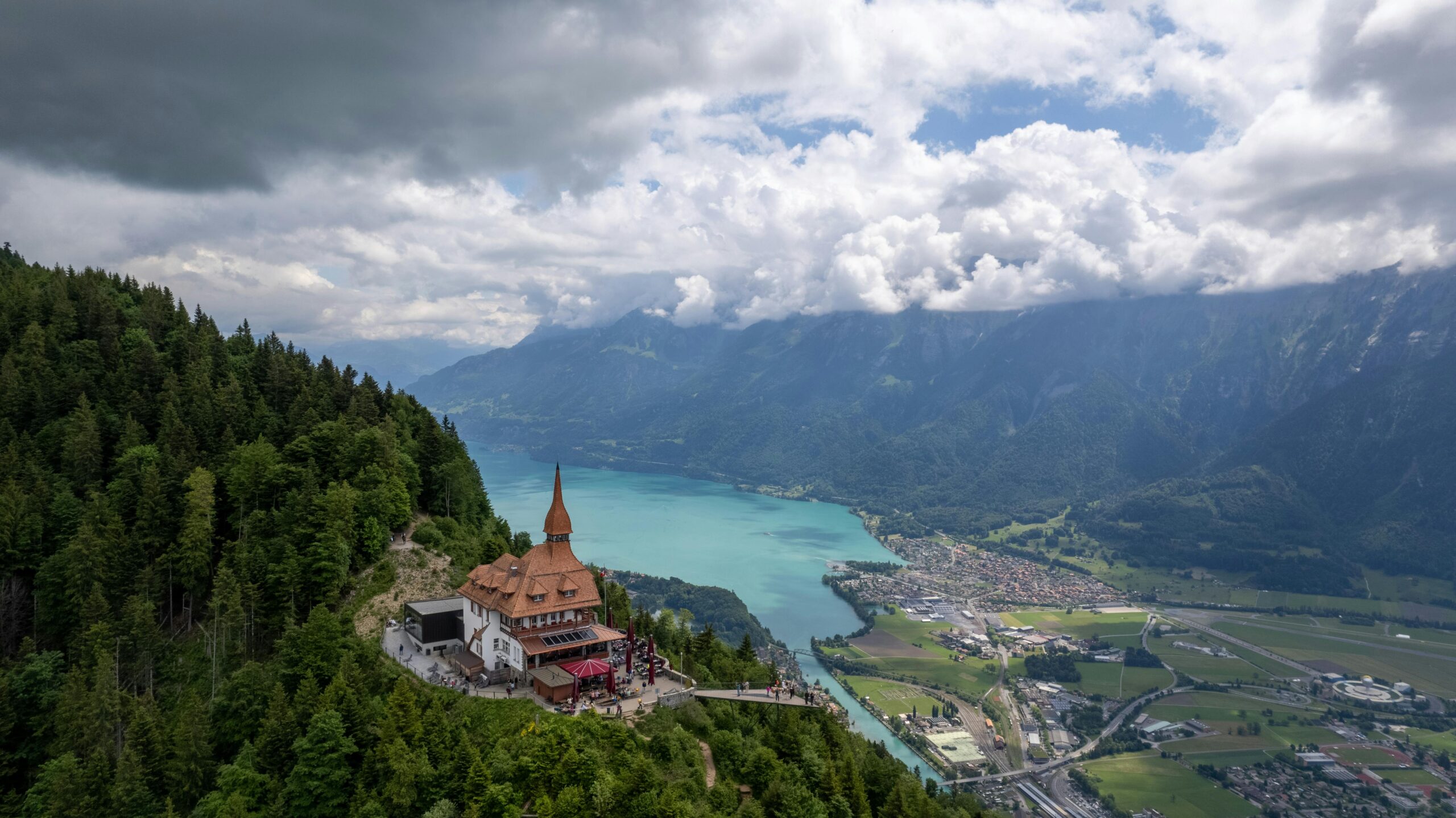
“Between two lakes and beneath snowy summits, Interlaken is the perfect Swiss Alps base.”
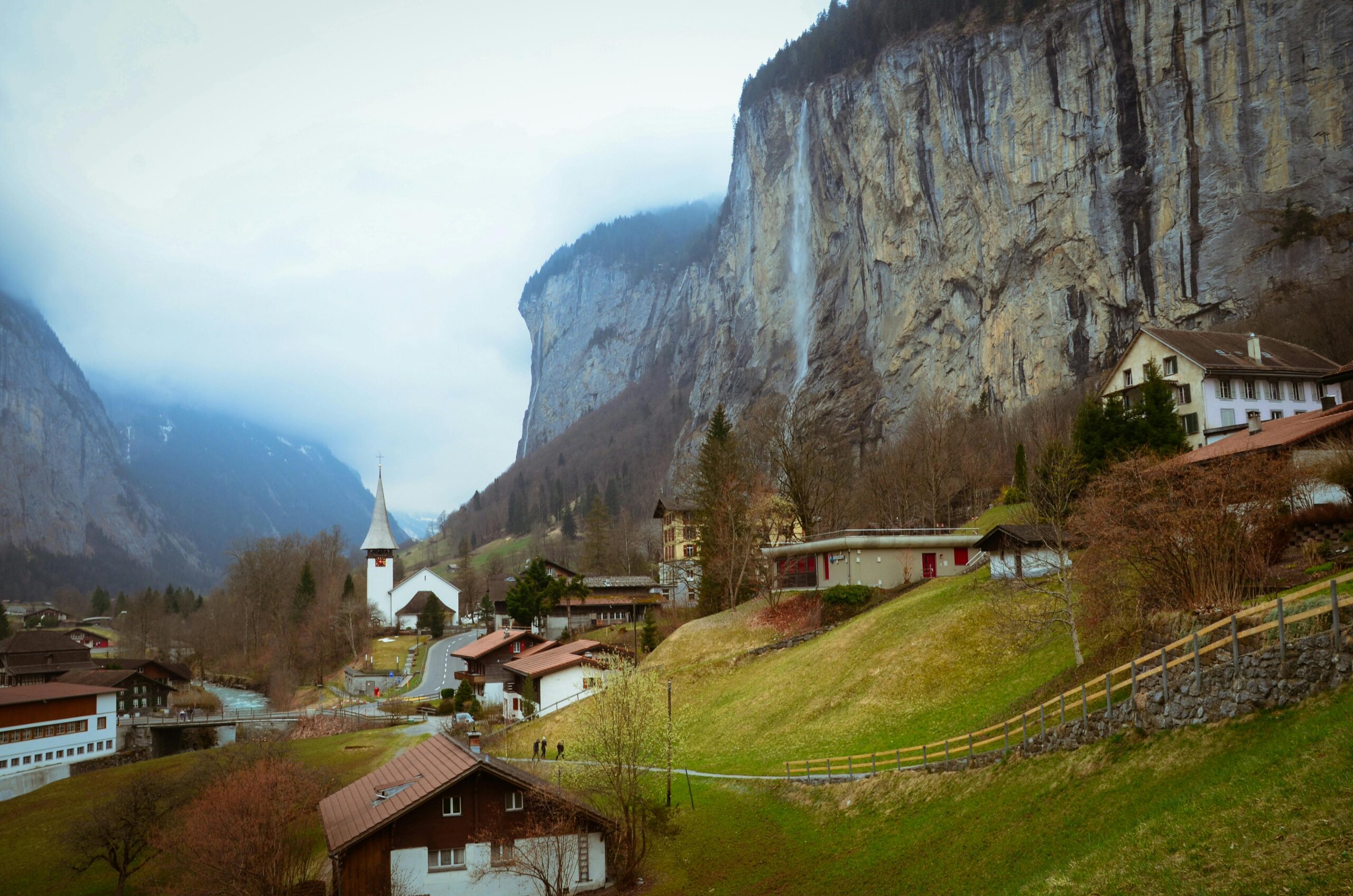
“By day, river swims and café culture. By night, Zurich comes alive.”
On the way up and down, keep an eye out for a man’s face in the crags below the summit. Known as the Hardermannli, it’s said to be a monk from the Interlaken Monastery who was turned to stone after chasing a girl over the cliff’s edge.
To the west of Interlaken is Lake Thun, its deep blue waters surrounded by towering mountains, castles, fortresses and even a few vineyards. On the water, a historic paddle steamer known as the Blümlisalp glides quietly across the surface. Places to stop include the St. Beatus Caves with grottos, chasms and vast halls carved out of the limestone, and charming lakeside towns such as the Mediterranean-like Merligen and romantic Oberhofen. Those in the know head to Pier 17 for sesame bagels with homemade guacamole or salads loaded with burrata and basil. On the northwestern tip is Thun, where locals gather every Wednesday and Saturday for the market on the river island of Bälliz. And in autumn and winter, an electric sauna boat floats on the lake, with the option to dive off and cool down at any time.
To the east of Interlaken is the smaller Lake Brienz, with an intense turquoise hue created by fine particles of glacial sediment in the water. Boat trips connect sights along the shore, from well-trodden Iseltwald to the Giessbach Falls, which cascades down 14 separate steps. Stop at the fairy-tale-like Grandhotel Giessbach, built between 1873 and 1874, for a slice of carrot cake on the spacious terrace and a different view of the waterfall. Alternatively, you can head out onto the water on guided kayak tours, aboard high-speed jet boats or in a relaxing HotTug, a floating hot tub heated by a small stove.
On the far shore is Brienz, the center of traditional woodcarving in the country. The School of Woodcarving has provided training in a variety of wood crafts since 1884 and remains the only institution in Switzerland where young people can professionally learn such skills. There’s also a museum dedicated to the history of woodcarving in the area. Not far away are the headquarters of Trauffer, the company behind the iconic wooden cows. You can make and paint your own, or head straight to the gift shop for the ultimate Swiss souvenir.